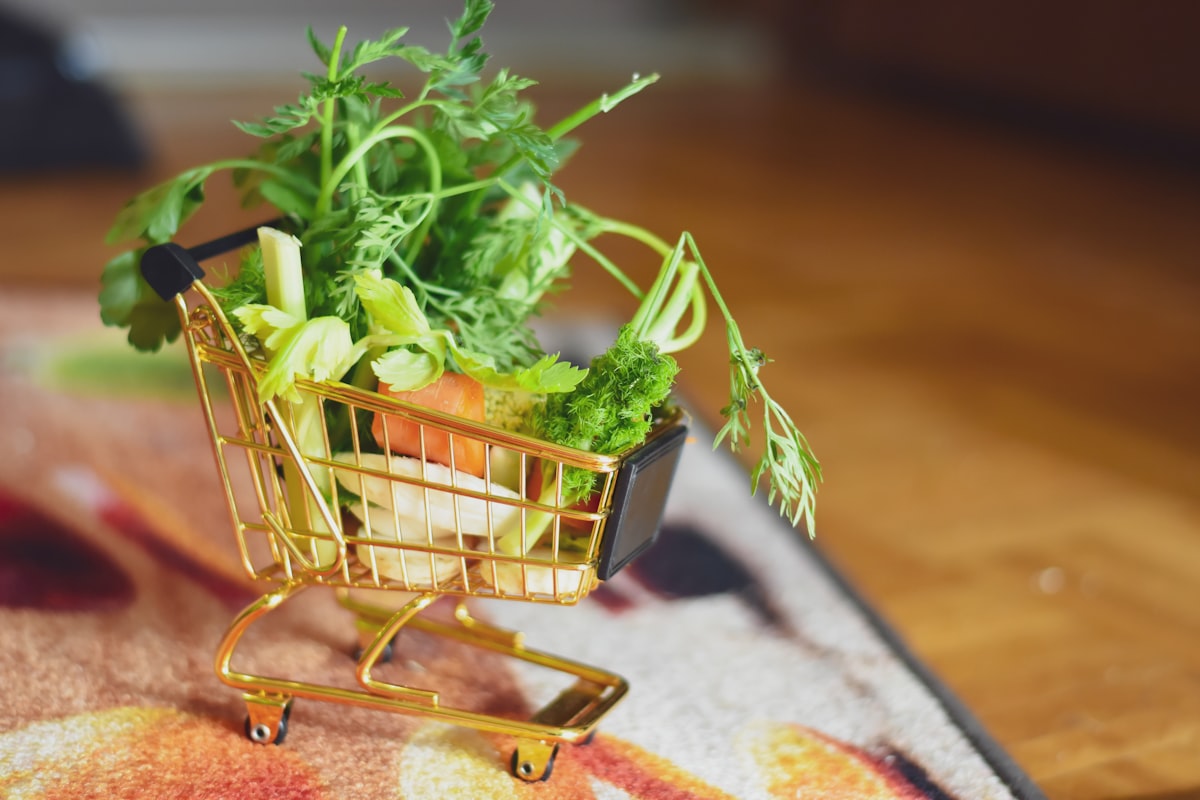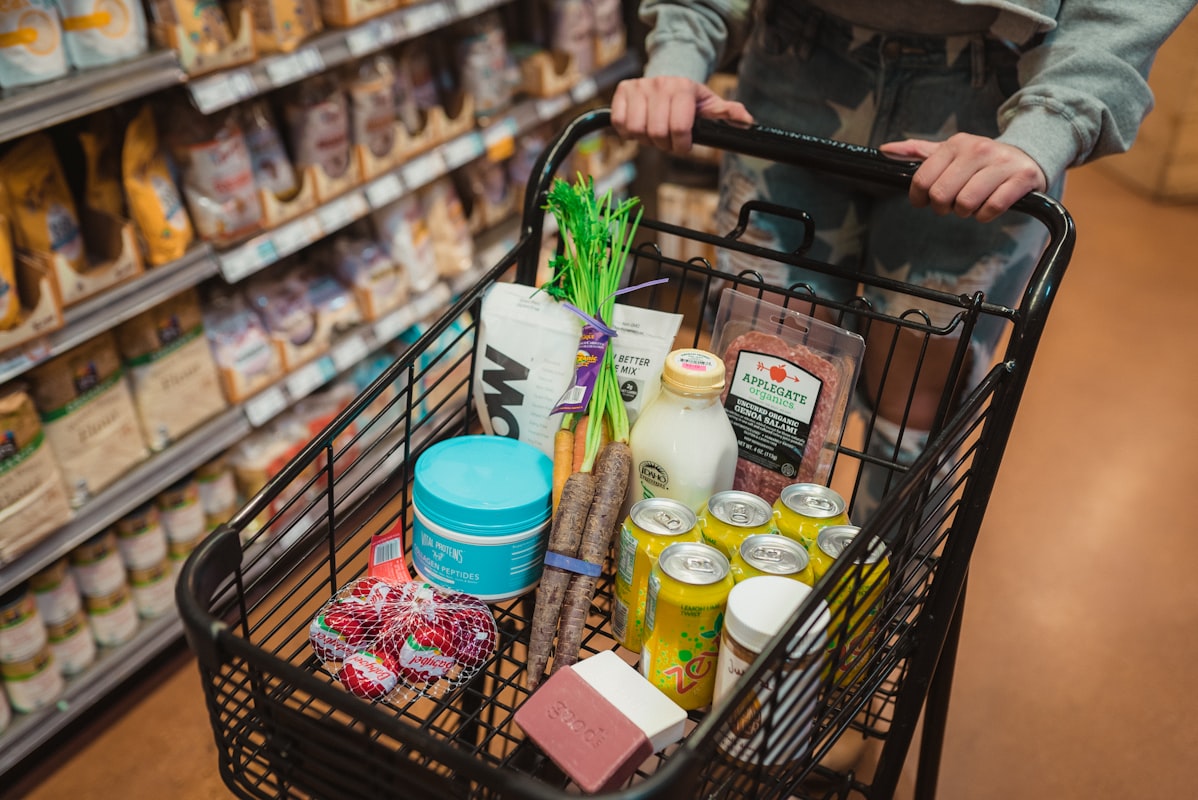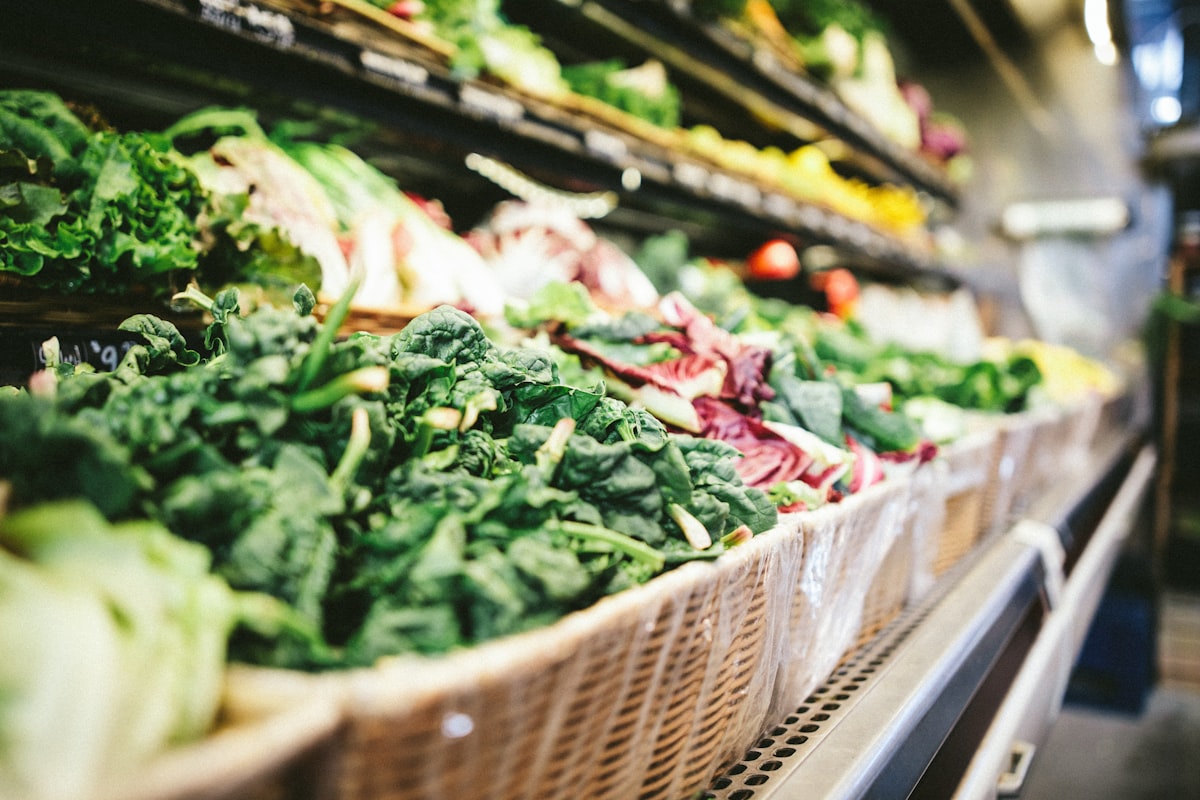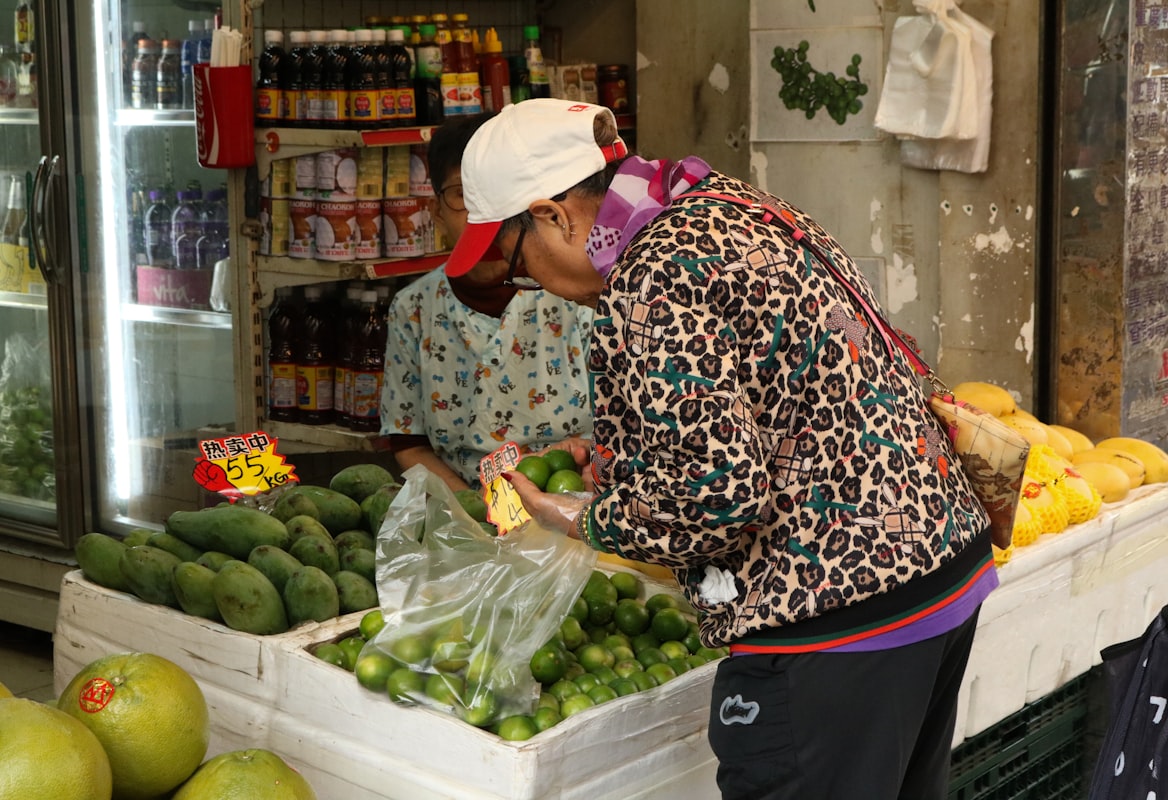
Fresh Ingredients, Healthier Life
Master the art of grocery shopping for nutritious, whole-food cooking. Learn how to select the finest seasonal produce and build pantry staples that support your wellbeing.
The information on this site is for educational purposes only and does not constitute medical advice. Always consult a qualified healthcare professional before making health decisions.
How to Shop Smart
Transform your grocery shopping habits with our proven four-step approach to selecting nutrient-rich foods and building sustainable cooking practices.
Choose Seasonal
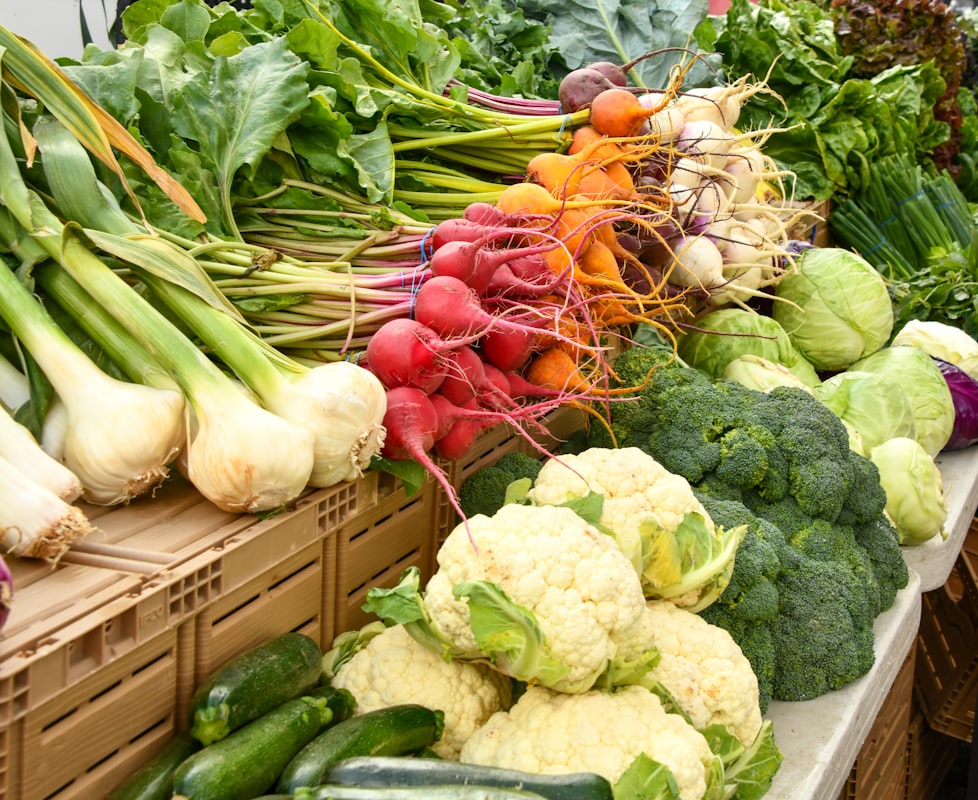
Select produce that's in season. Seasonal fruits and vegetables peak in flavour, nutrient density, and affordability. Visit farmers' markets to discover what's freshest this week.
Check Quality
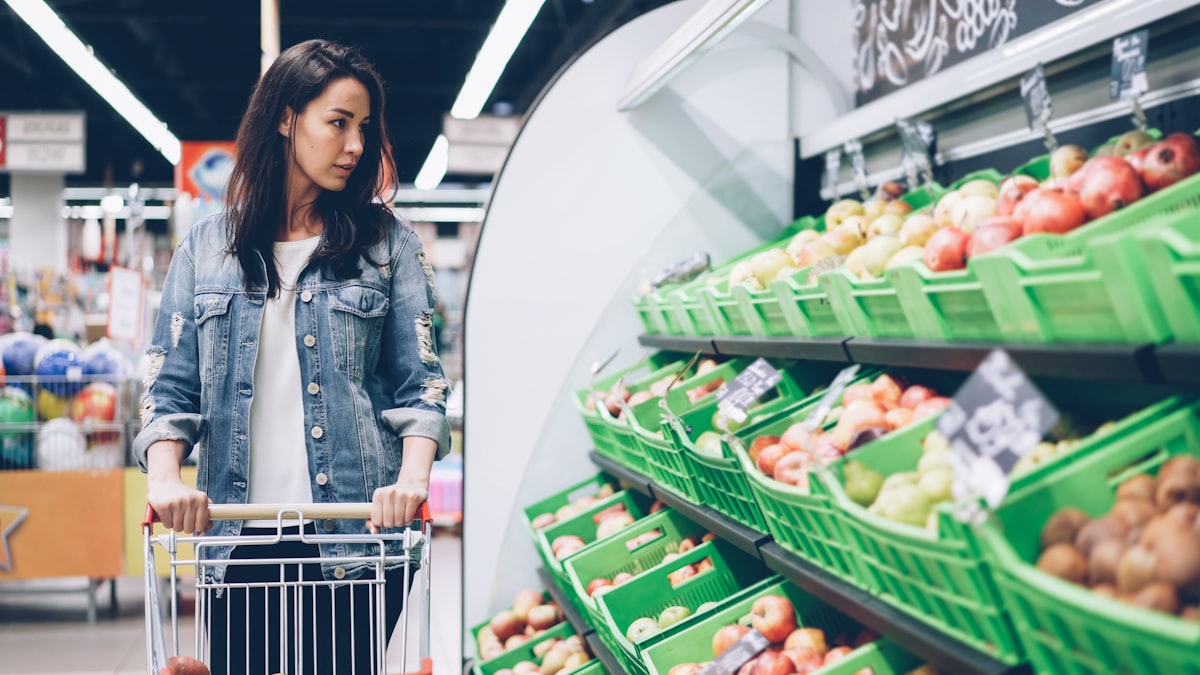
Inspect produce carefully for firmness, vibrant colour, and natural appearance. Avoid items with bruises, discolouration, or soft spots. Quality starts at the shelf.
Read Labels
Understand ingredient lists and sourcing information. Look for whole foods with minimal processing. Know where your food comes from and what's really in your basket.
Build Habits
Develop consistent shopping practices that support long-term healthy cooking. Plan meals ahead, maintain a basic pantry, and rotate your selections for nutritional variety.
Weekly Seasonal Produce
Explore what's available right now across the United Kingdom. These seasonal selections are at their nutritional peak and most flavorful.
Leafy Greens
Spinach, kale, and rocket are winter staples packed with iron, calcium, and vitamins. Use raw in salads or lightly cooked for maximum nutrient retention.
Root Vegetables
Carrots, parsnips, and beetroot store well and provide sustained energy. Rich in fibre and antioxidants, they're perfect for roasting and soups.
Berries & Fruits
Apples, pears, and seasonal berries offer natural sweetness and polyphenols. Enjoy fresh, frozen, or lightly cooked in oats and desserts.
Whole Grains
Brown rice, quinoa, and oats are pantry essentials. High in fibre and B vitamins, they support stable energy throughout your day.
Herbs & Spices
Fresh parsley, coriander, and dried turmeric add flavour and bioactive compounds. These enhance taste without excess salt or sugar.
Plant Proteins
Lentils, chickpeas, and beans offer plant-based protein and resistant starch. Versatile for soups, salads, and hearty mains.
Why Healthy Cooking Matters
Cooking with whole, nutrient-dense ingredients is one of the most powerful tools for supporting your body's natural functions. When you choose quality produce and prepare meals at home, you control every element of your nutrition.
Our mission at Longevity Meals Academy is to empower you with knowledge about ingredient selection, seasonal eating, and simple cooking techniques that preserve nutritional value. We believe that accessible, affordable, real food is the foundation of a vibrant life.
By learning to shop intentionally and cook mindfully, you're investing in your future. Every meal is an opportunity to nourish your body with the nutrients it needs to thrive.
- Seasonal awareness: Learn which foods are at peak nutrition and flavour each season
- Smart pantry basics: Build a foundation of shelf-stable whole foods that support daily cooking
- Preservation techniques: Understand how to store and prepare foods to maximise nutrient retention
Top Nutrient-Dense Foods
These are the powerhouse ingredients we recommend keeping in regular rotation. Each offers unique nutritional benefits and versatility in the kitchen.
Broccoli
Cruciferous vegetable rich in sulforaphane, vitamin C, and fibre. Steam lightly or roast with olive oil and garlic for best flavour and nutrient preservation.
Sweet Potatoes
Loaded with beta-carotene, potassium, and resistant starch when cooled. Bake whole, cube for roasting, or blend into soups for natural sweetness and thickness.
Beetroot
Rich in nitrates, folate, and betalains with earthy natural sweetness. Roast, grate raw into salads, or juice for a concentrated nutrient boost.
Wild-Caught Fish
Excellent source of omega-3 fatty acids, selenium, and complete protein. Choose smaller species like mackerel or sardines for lower mercury content and higher sustainability.
Seeds & Nuts
Almonds, pumpkin seeds, and flax seeds provide plant-based protein, healthy fats, and minerals. Toast lightly and store in airtight containers to preserve freshness.
Extra Virgin Olive Oil
High in polyphenols and heart-healthy monounsaturated fats. Use cold-pressed varieties for dressings and finish dishes; avoid heating to preserve delicate compounds.
What Our Readers Say
"The seasonal produce guide completely changed how I shop. I now know exactly what's in peak season and my meals taste so much better. The tips on checking quality have saved me money and reduced waste. I'm genuinely impressed by the depth of practical knowledge shared here."
Sarah Mitchell
Manchester, United Kingdom
4.9/5
"As someone who wanted to cook more at home but didn't know where to start, this content has been invaluable. The ingredient guides and shopping strategies are easy to follow and actually make a difference. I've noticed my energy levels have improved significantly since applying these lessons."
James Edwards
Leeds, United Kingdom
4.9/5
"I've been reading food and nutrition content for years, and this is genuinely different. The focus on whole foods and practical shopping tips rather than restrictive approaches feels refreshing and sustainable. My whole family has benefited from these principles, and we're all more mindful about our choices now."
Emma Thornton
Bristol, United Kingdom
4.9/5
Frequently Asked Questions
Find answers to common questions about healthy grocery shopping, seasonal eating, and cooking with whole ingredients.
What's the best way to store fresh vegetables to preserve nutrients?
Most vegetables are best stored in the crisper drawer of your refrigerator where temperature and humidity are controlled. Leafy greens should be washed, dried thoroughly, and stored in breathable containers. Root vegetables like carrots and potatoes prefer cool, dark places away from direct sunlight. Ethylene-producing fruits (apples, avocados) should be stored separately from sensitive vegetables. Use within 5-7 days for peak freshness.
How do I know if produce is truly fresh when shopping?
Look for bright, vibrant colour with no dull patches or browning. Produce should feel firm to gentle pressure with no soft spots or mushy areas. Check stems and edges—they should be fresh-looking, not dried out or darkened. Buy from busy sections of the shop where stock turns over quickly. Shopping at farmers' markets gives you direct access to growers who can tell you exactly when produce was harvested.
What are the most nutritious cooking methods for vegetables?
Steaming and light sautéing with healthy oils preserve nutrients better than boiling. Roasting at moderate temperatures brings out natural flavours without excessive nutrient loss. Raw consumption preserves heat-sensitive vitamins like vitamin C and some B vitamins. For some vegetables like tomatoes and carrots, cooking actually increases nutrient bioavailability. Avoid prolonged cooking in water, which leaches water-soluble vitamins.
How much should I budget for quality whole foods?
Shopping seasonal and buying whole ingredients rather than processed foods is often more affordable than you might think. Seasonal produce costs less than out-of-season alternatives. Buying dried legumes and whole grains in bulk offers exceptional value. Visit farmers' markets near closing time for discounts on fresh produce. Building a pantry with shelf-stable basics reduces need for frequent expensive shopping trips.
Are organic produce and conventional produce significantly different nutritionally?
Research shows mixed results. Organic produce may have marginally higher levels of some compounds, but conventional produce is still nutrient-dense and safe. Prioritise buying seasonal, fresh whole foods above organic certification. Focus on foods where pesticide residue is a greater concern (berries, leafy greens) if selecting organically. The most important factor is eating abundant vegetables and fruits—organic or conventional.
How do I build a balanced pantry for everyday healthy cooking?
Start with whole grains (brown rice, oats, quinoa), dried legumes (lentils, chickpeas, beans), quality oils (extra virgin olive oil, coconut oil), and healthy fats (nuts, seeds). Add staples like tinned tomatoes, vegetable stock, herbs, and spices. Keep nuts and seeds for snacking and cooking. Stock your freezer with frozen vegetables and berries for convenience. Rotate your fresh produce based on season. This foundation allows you to create hundreds of simple, nutritious meals.
Start Your Healthy Cooking Journey
Explore our comprehensive guides on seasonal shopping, ingredient selection, and nutritious cooking techniques. Learn from our editorial team's research and expertise in real food, whole nutrition, and sustainable eating practices.
Questions about our content? Contact our editorial team for feedback and inquiries.